Second Skin for Endangered Orchids
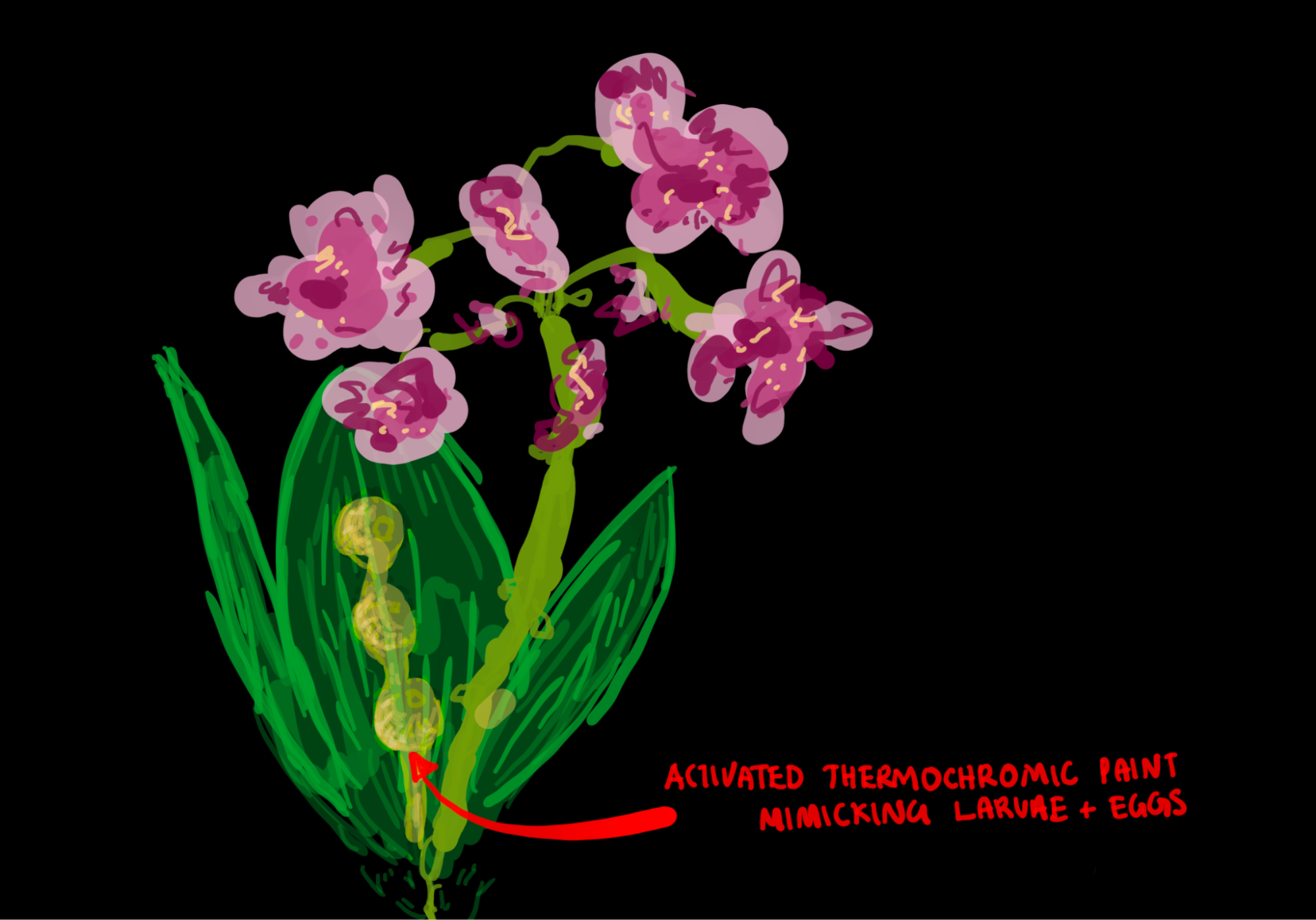
Soft hydraulic domes and thermochromic color change mimic insect eggs on orchid leaves as a non-chemical plant-protection concept.
- Institution
- University of California, Berkeley / Morphing Matter Lab
- Team
- Maxime Hache, Aathavan Senthikumar, Wenjie Li

- Research
- Mechanical Design
- CAD
- Mechanisms
- Prototyping
- Test & Validation
- Materials
Overview
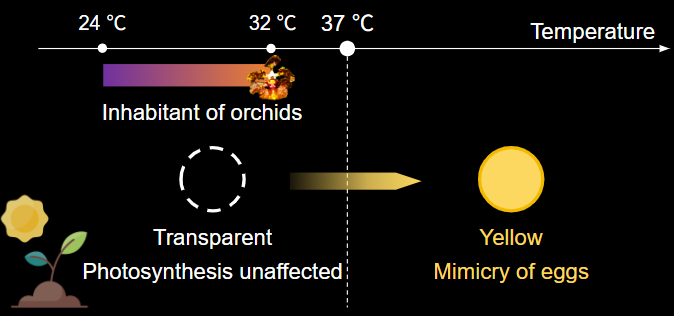
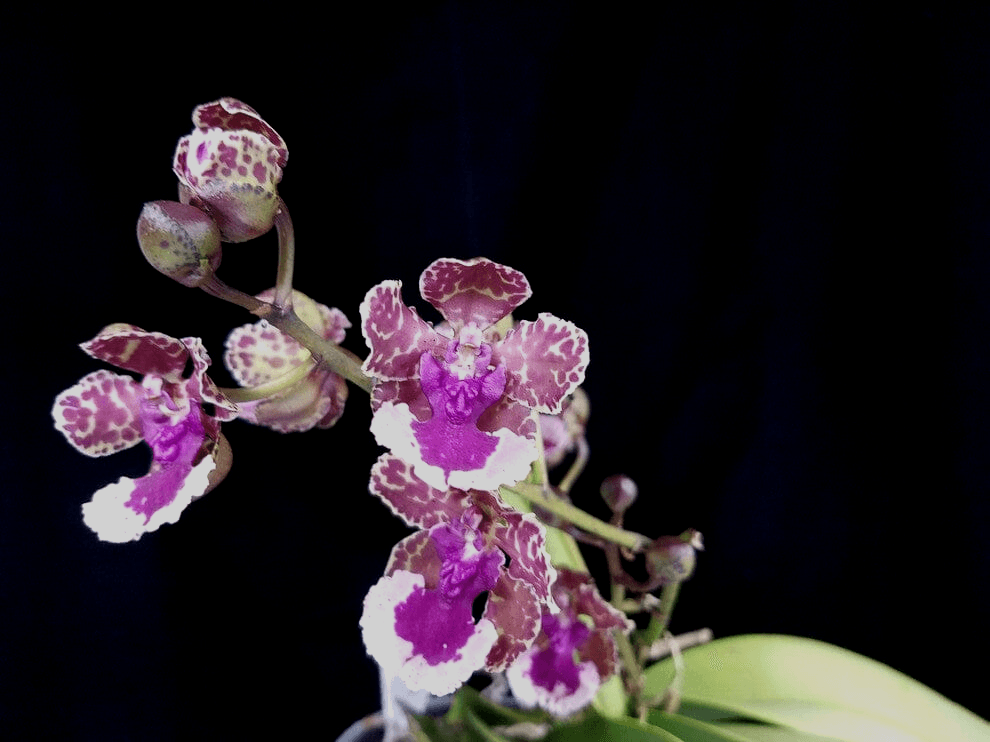
The target use context is the endangered Mule Ear Orchid and pest pressure from Melanagromyza flies, with the caveat that ecological effectiveness remains unvalidated.
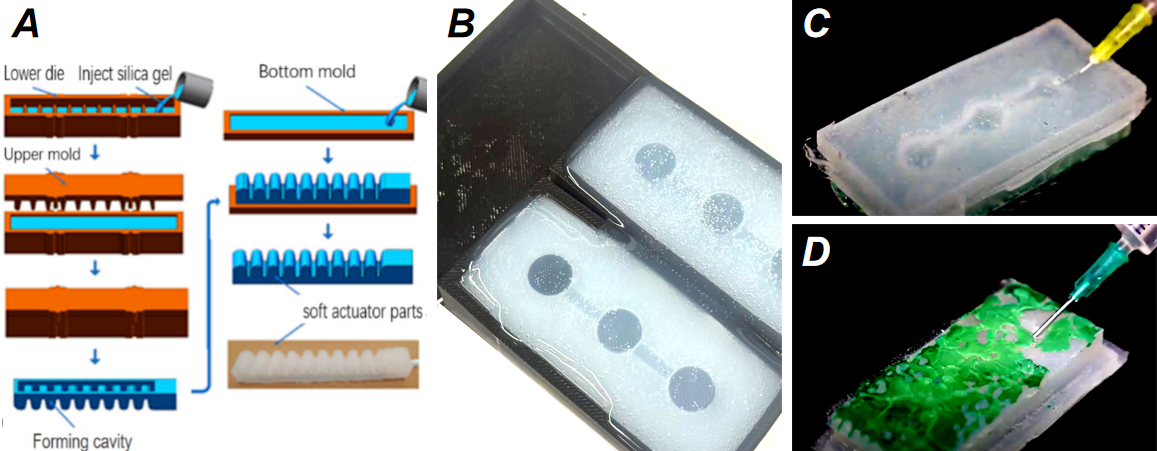
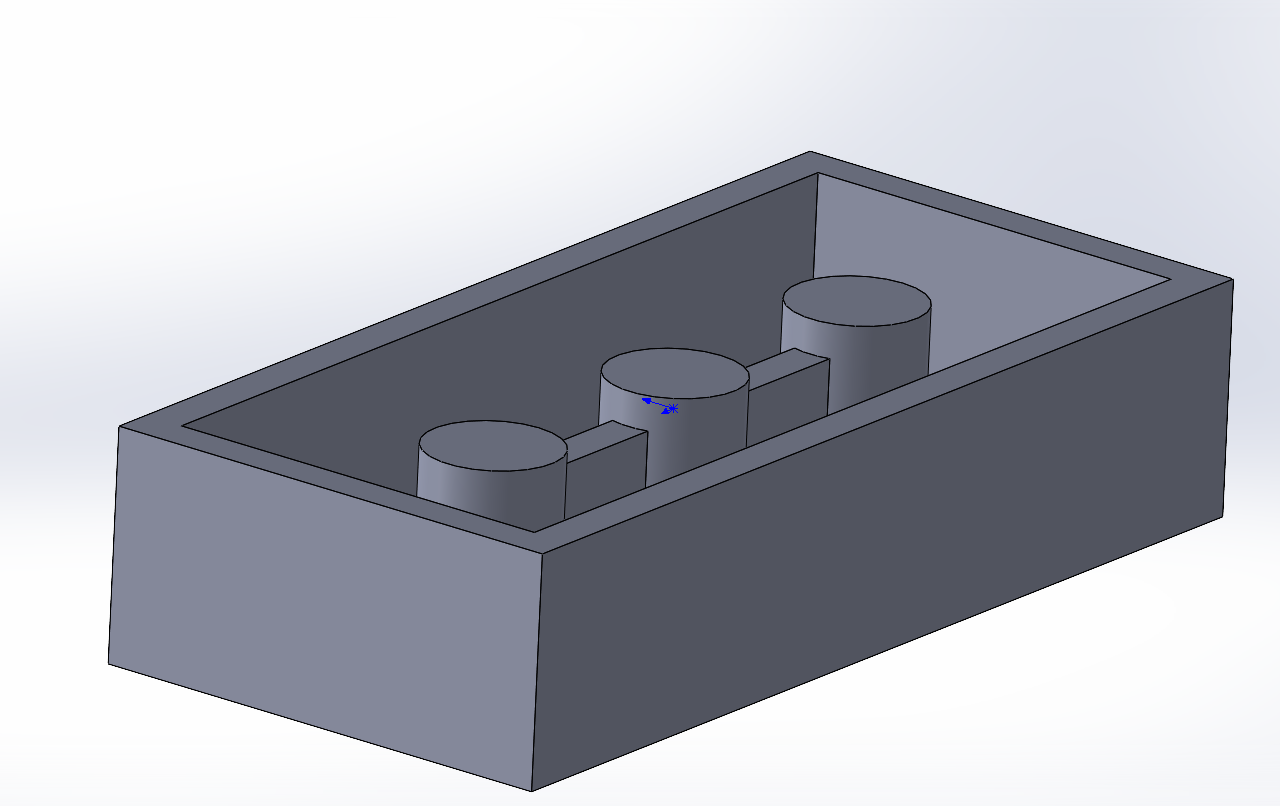
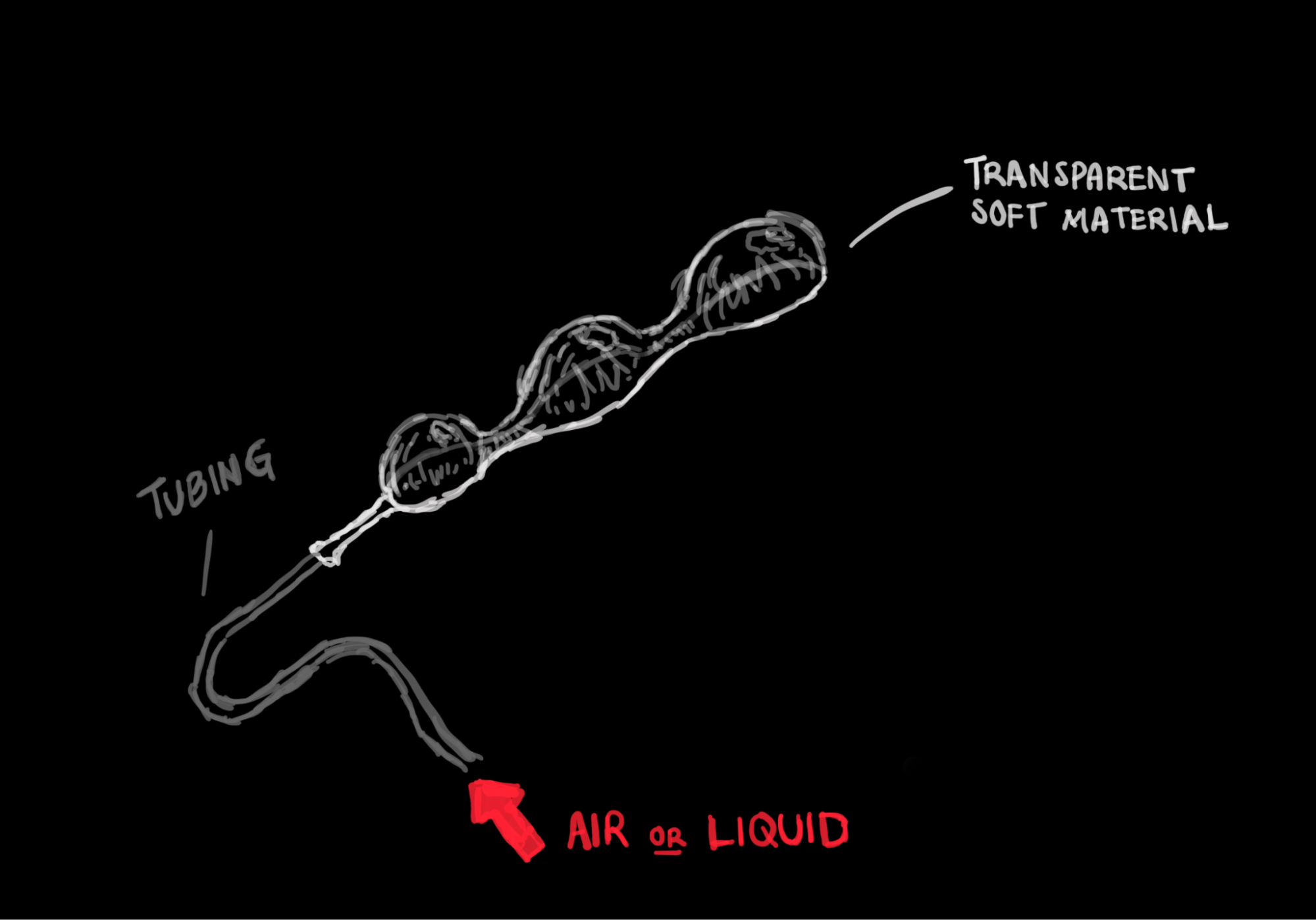
The project combines heat-sealed films, molded silicone actuators, fluidic inflation, and thermochromic pigment.
Challenge
The design must deter pests without blocking photosynthesis, damaging the plant, preventing pollination, or depending on chemical pesticides.
Process
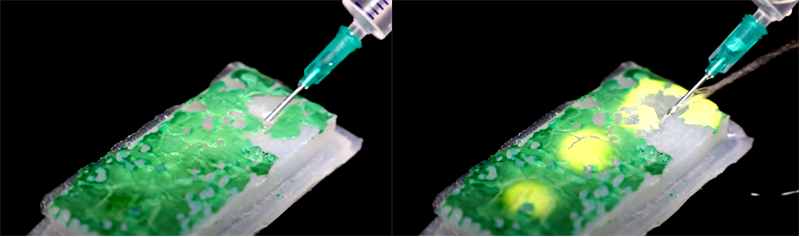
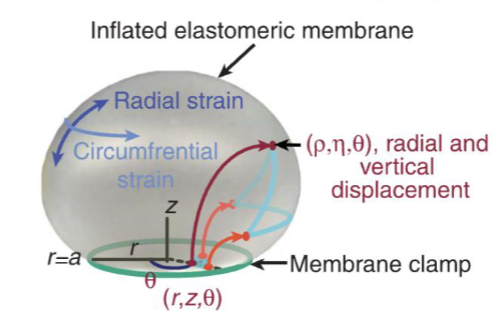
The team explored dual morphing: color change toward yellow at elevated temperature and shape change through low-pressure hydraulic bulging.
Heat-sealed films offered transparency but limited complex deformation; molded silicone provided more complex domes but reduced optical clarity.
Engineering Details
SolidWorks, 3D printing, heat sealing, TPU/plastic films, soldering iron sealing tests, Ecoflex 00-10 silicone, thermochromic pigments, fluid injection, and soft-actuator fabrication.
Implementation
The prototype demonstrations included inflated film cells and molded silicone hydraulic actuators with thermochromic pigment.
Testing
The report documents visual functional demonstrations of shape morphing and warm-water-triggered color change in a lab context.
Outcomes
Transparency, geometric complexity, temperature threshold, weather dependence, and trigger reliability are the main unresolved tradeoffs.
Explore kirigami-inspired inflatables, FDM-nozzle heat sealing, resistive traces, on-device fly detection, outdoor durability tests, light-transmission tests, and insect-behavior validation.
Gallery