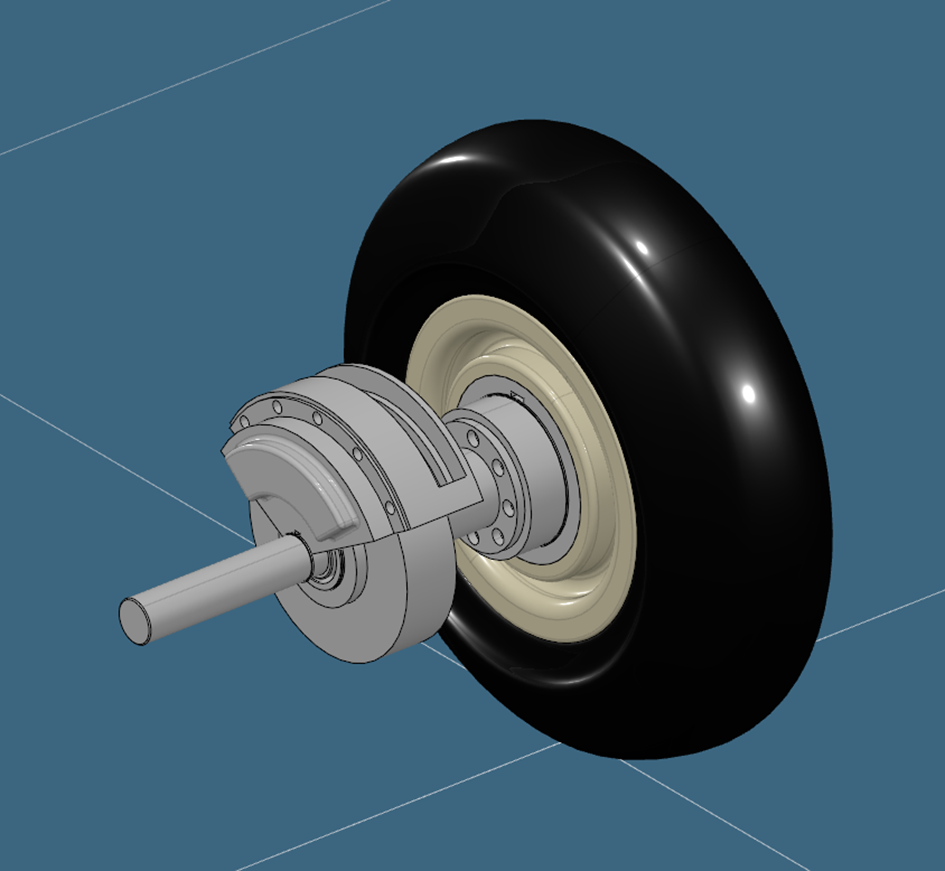
Light Aircraft Braking System
A compact light-aircraft brake assembly is sized around thermal energy, torque transfer, bearing loads, CAD packaging, and manufacturability.
- Institution
- Arts et Metiers / ENSAM
- Team
- Maxime Hache, Jean-Louis Roy

- Mechanical Design
- CAD
- Mechanisms
Overview
The report uses a specified aircraft mass, landing speed, maximum deceleration, residual thrust, wheel constraints, and maximum disk diameter to size and lay out a brake concept.
Challenge
The brake must fit within imposed wheel and aircraft linkage constraints while transmitting braking loads and remaining serviceable.
Process
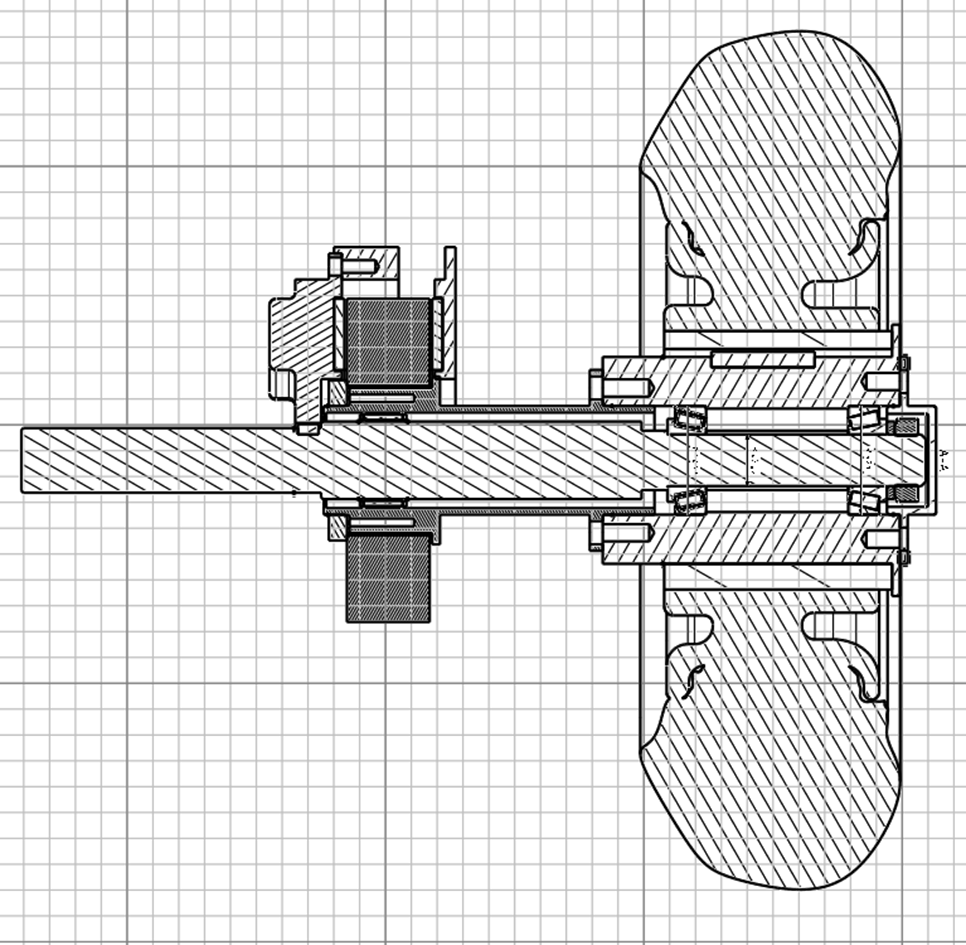
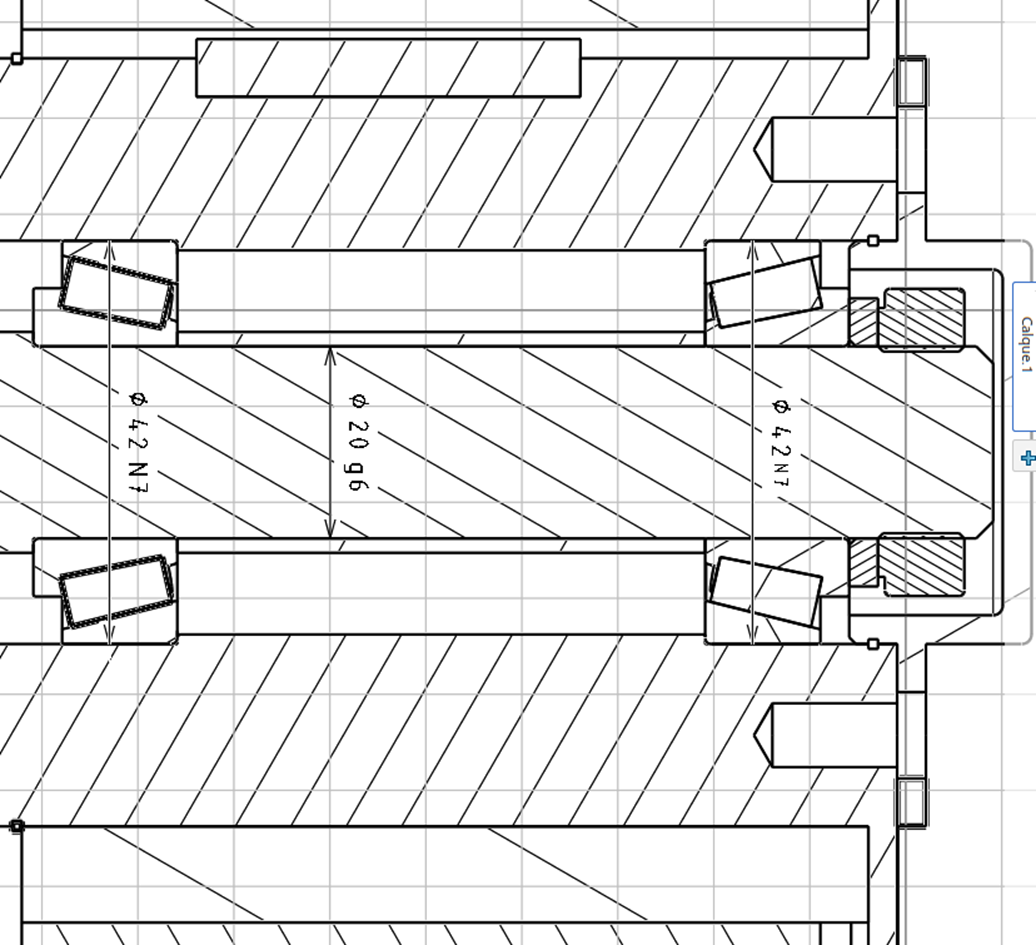
The team calculated disk thickness from kinetic energy, determined braking torque and pad angle, sized a pneumatic piston, and selected tapered roller bearings.
Engineering Details
Mechanical calculations, CAD, bearing life estimation, assembly design, fastener preload concepts, splines, needle cage support, and pneumatic actuator sizing.
Implementation
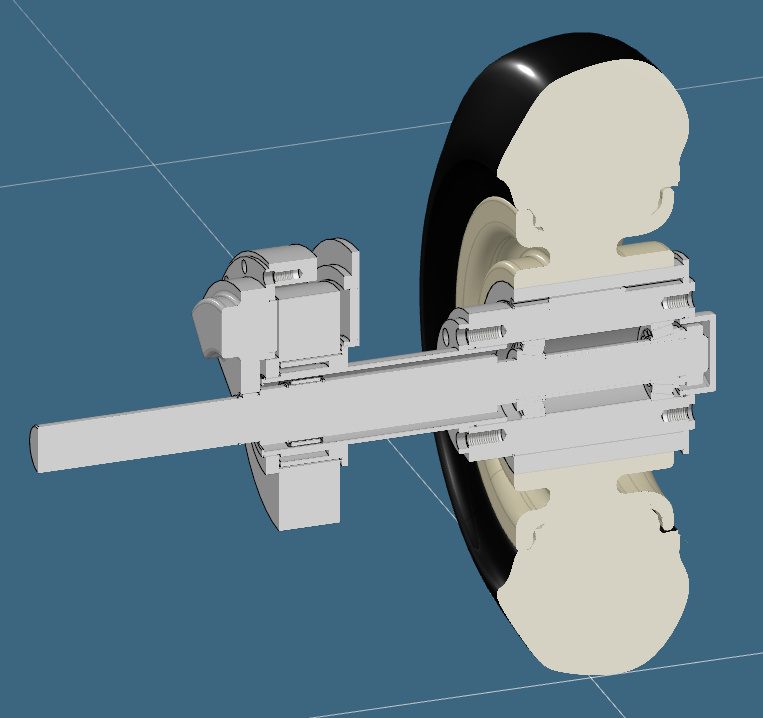
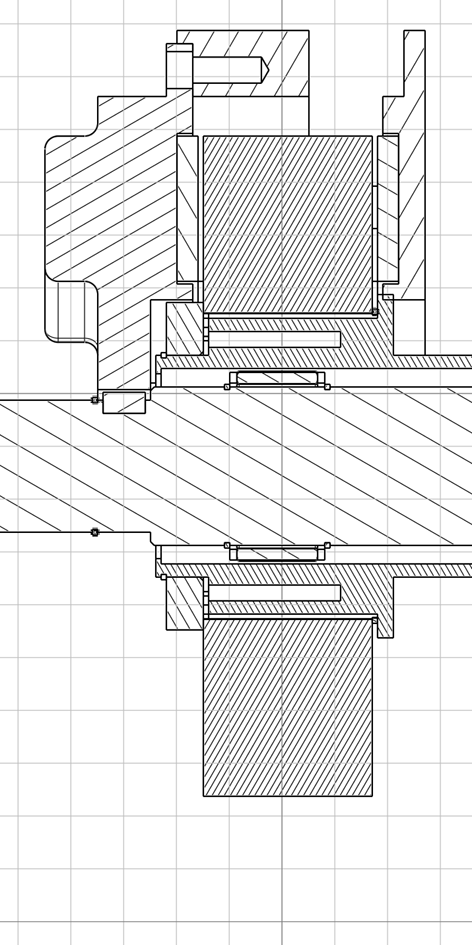
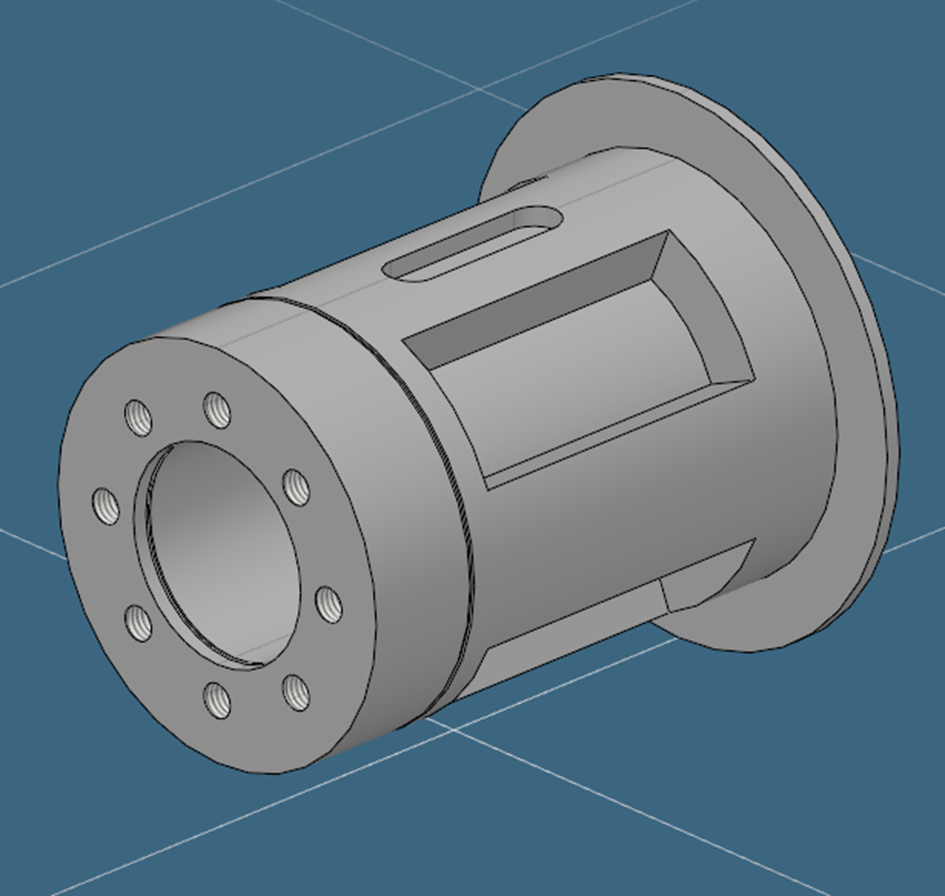
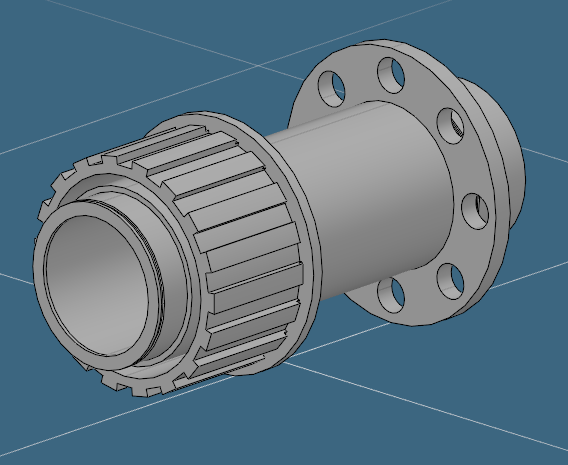
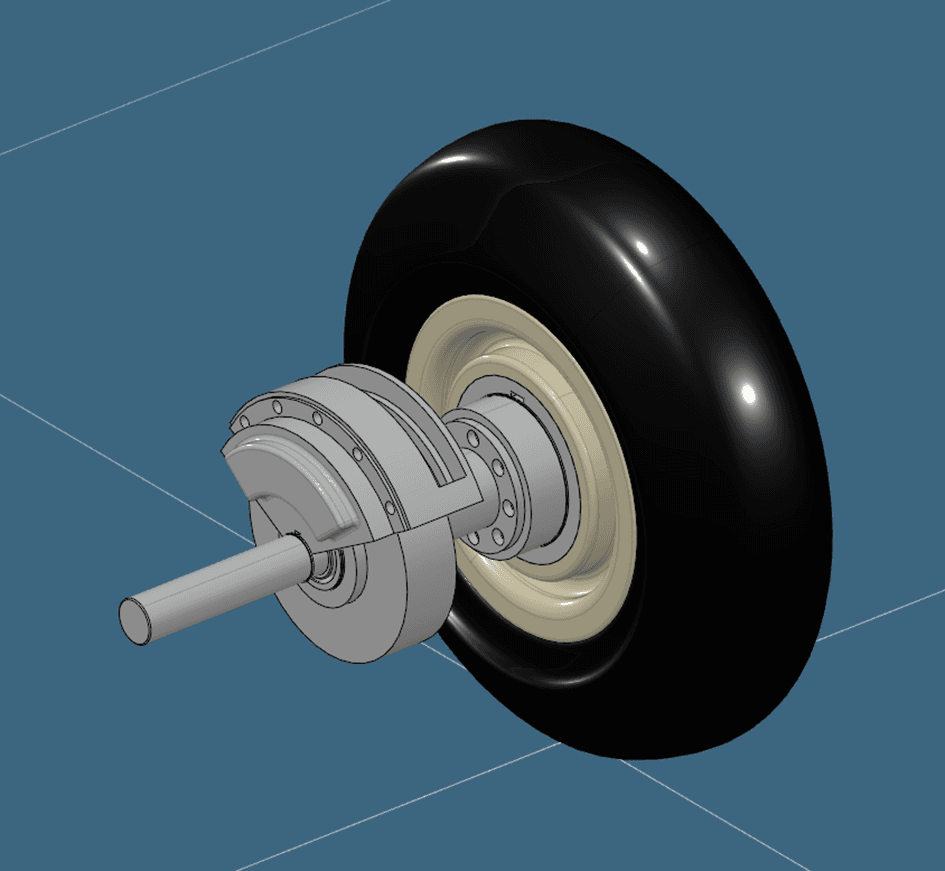
The proposed architecture uses conical bearings in an O configuration, a disk support, housing, output cap, caliper assembly, axial retention, and an added needle cage for stiffness.
Testing
The design was validated by calculation and CAD fit review rather than physical testing in the available source material.
Outcomes
A compact brake assembly is a packaging problem as much as a force problem: sealing, machining length, bearing arrangement, torque transfer, and maintenance all interact.
Study cooling, refine pneumatic command design, compare floating-caliper alternatives, reduce mass, and validate thermal behavior experimentally.
Gallery