Corking Machine Cam Design
A bottle-corking cam profile is redesigned around motion law, contact limits, Hertz pressure, motor sizing, CAD, and technical drawing.
- Institution
- Arts et Metiers / ENSAM
- Team
- Maxime Hache, Jean-Louis Roy

- Mechanical Design
- CAD
- Mechanisms
Overview
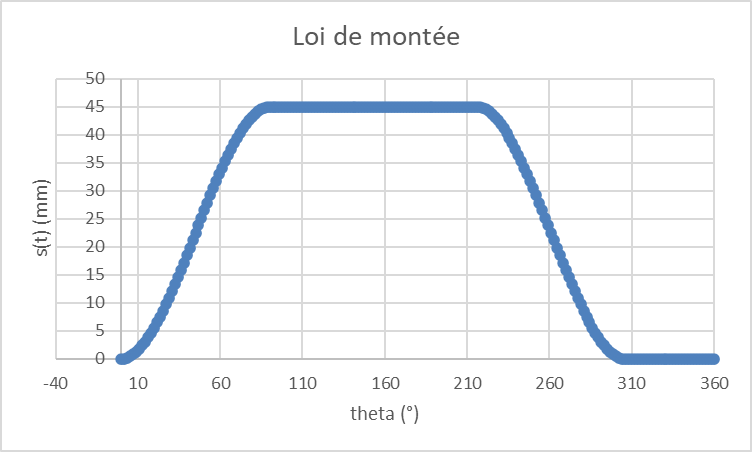
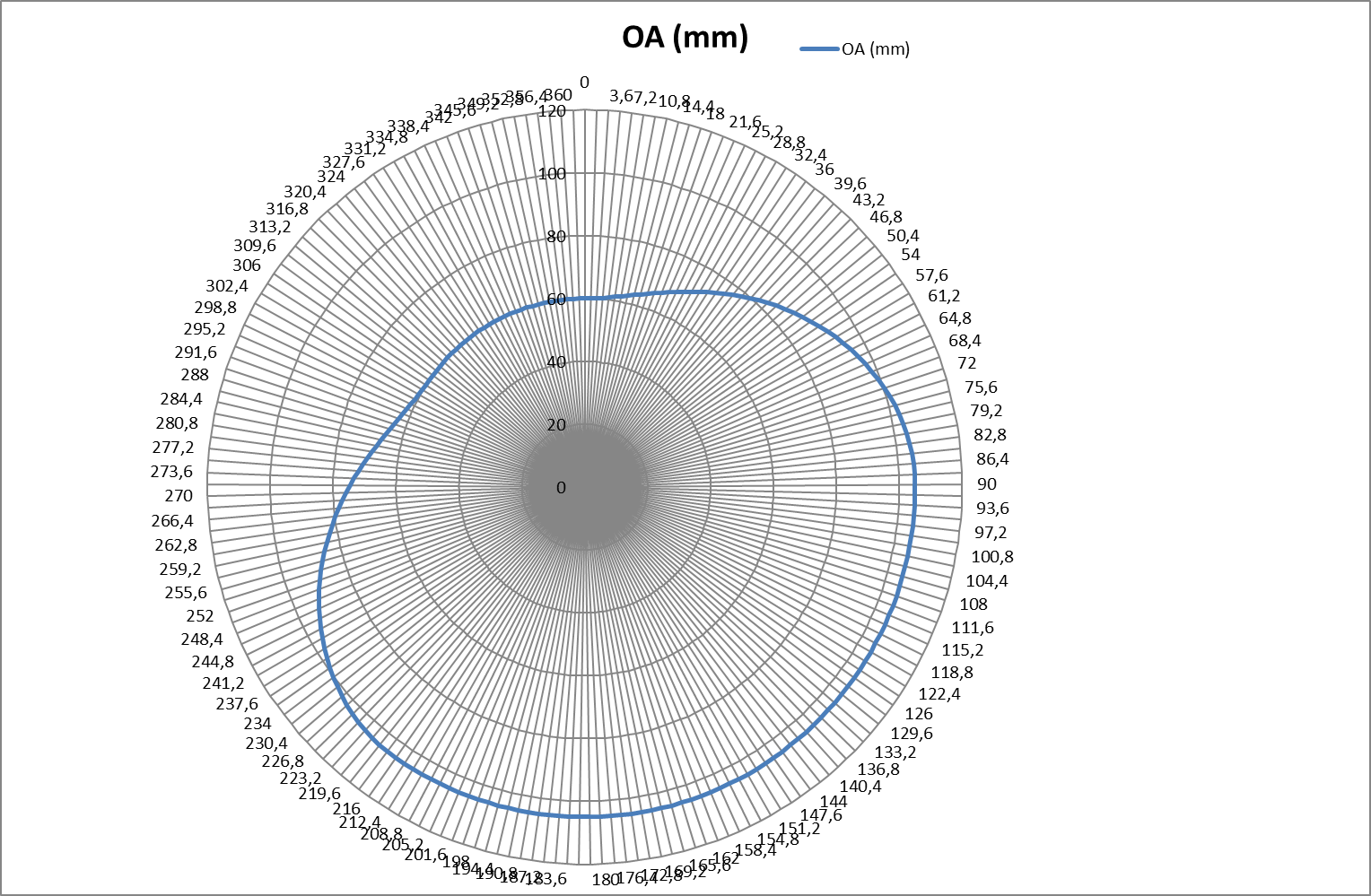
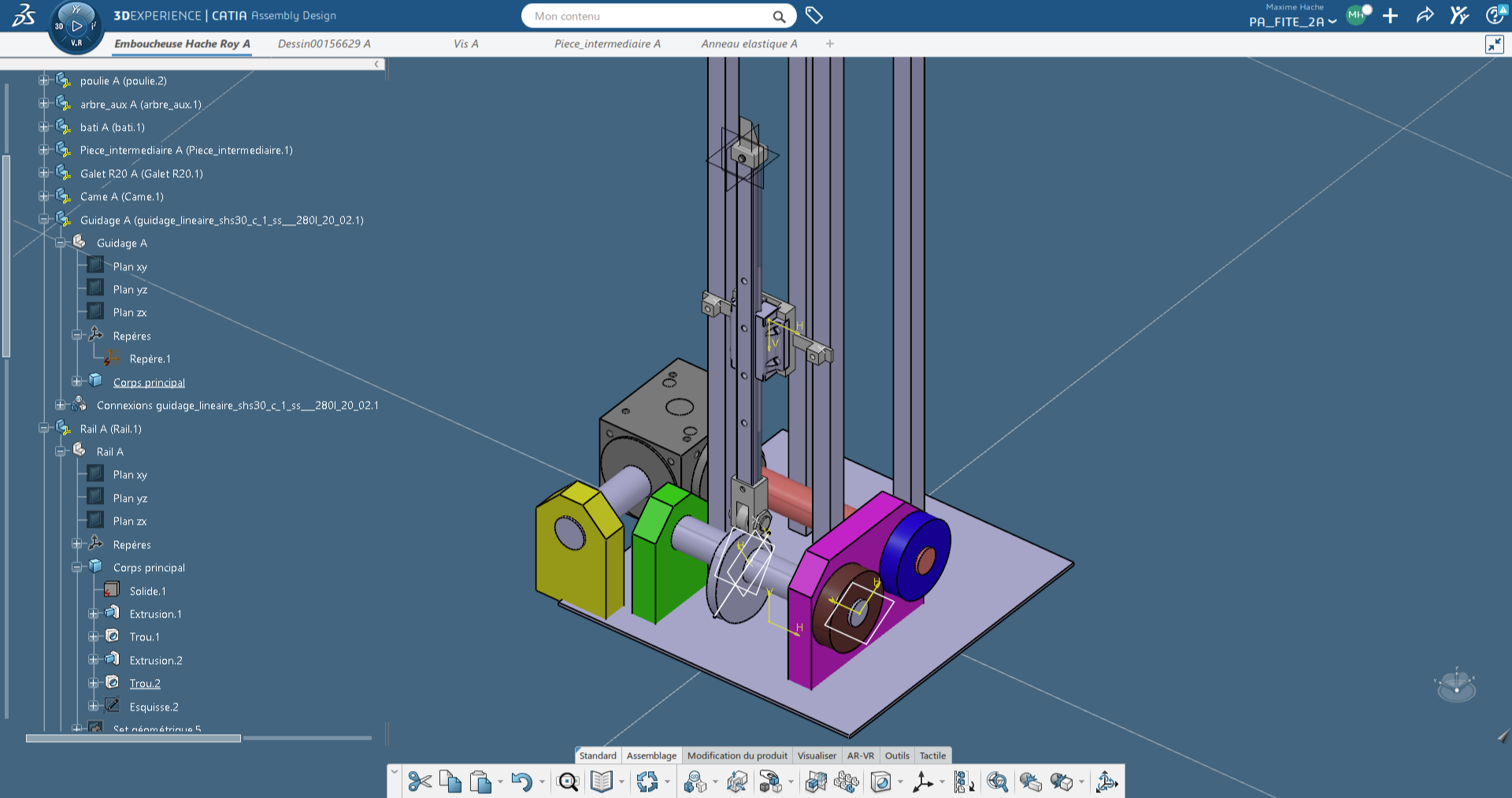
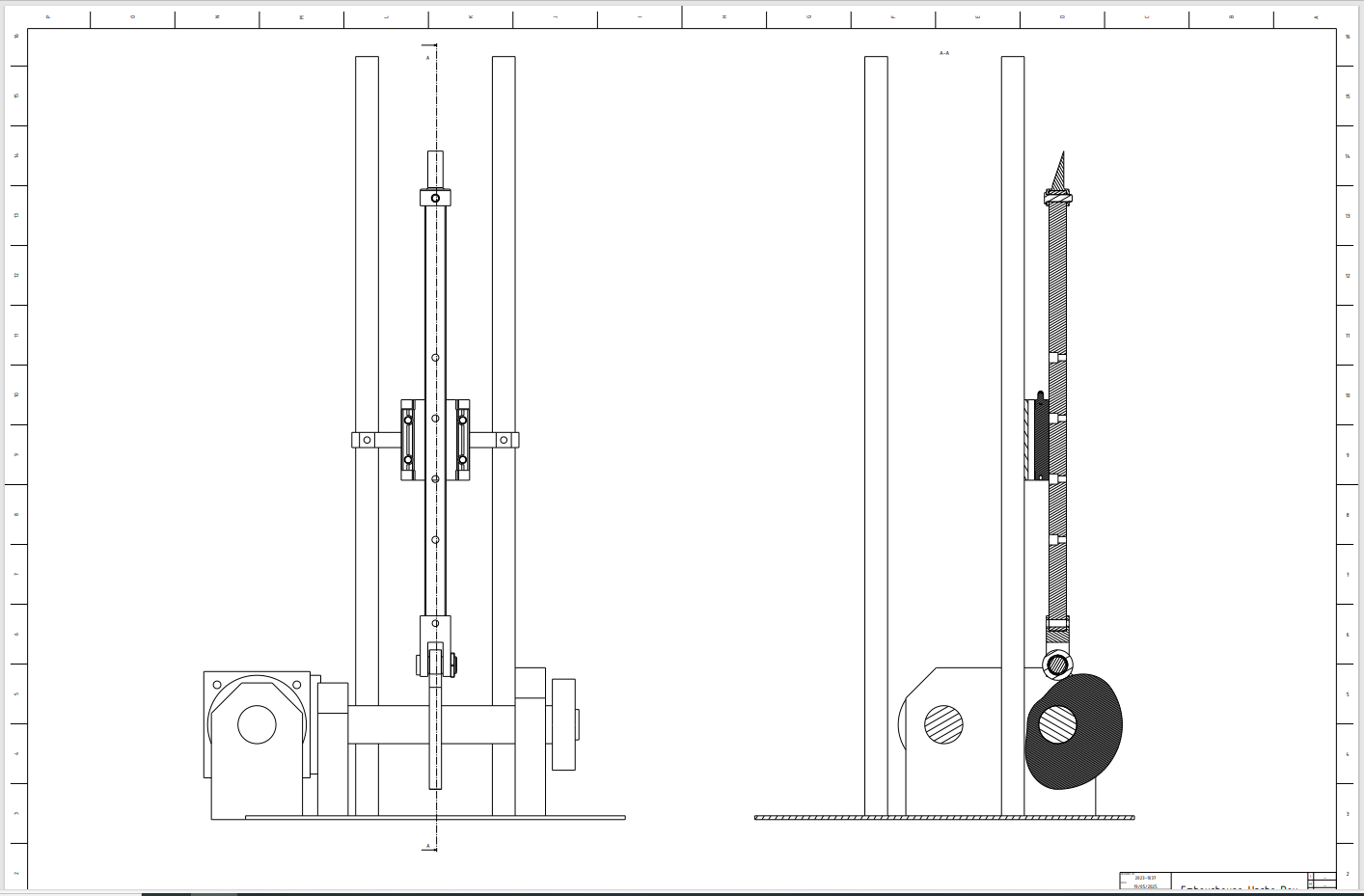
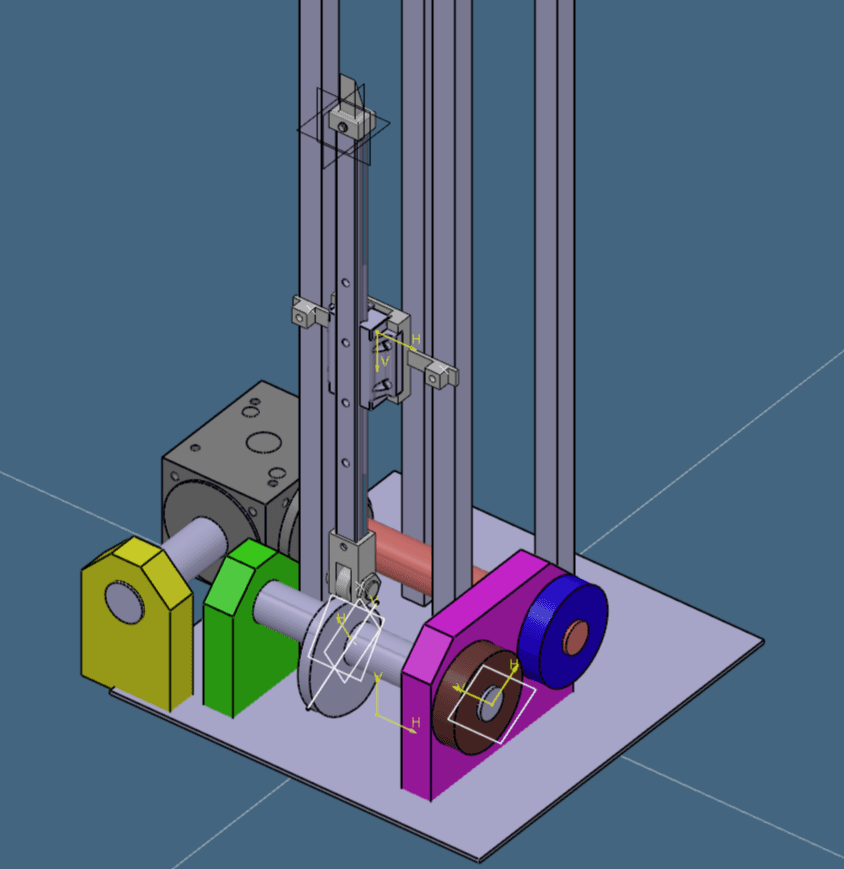
The presentation covers requirements, cycle time, rise law selection, linear cam sizing, cam profile plotting, non-interference, non-liftoff, buckling, Hertz pressure, motor-reducer sizing, CAD, and drawing.
Challenge
The specification required compressing a cork from 32 mm to 16 mm at 1800 bottles per hour without modifying key existing machine subassemblies.
Process
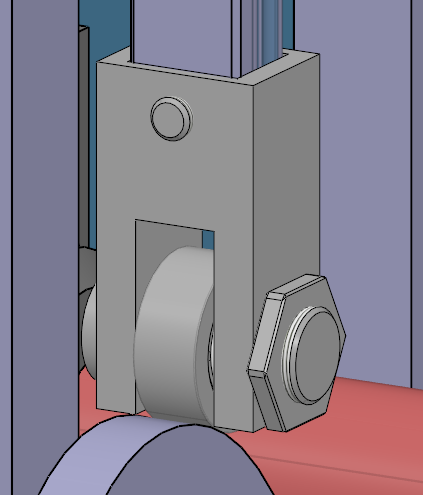
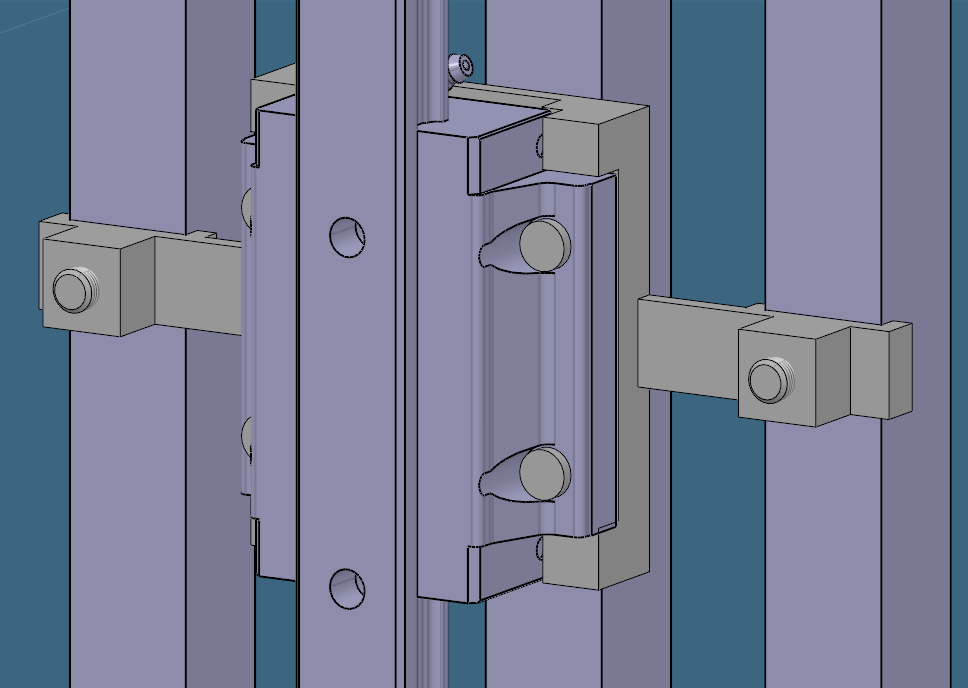
The team selected a motion law, computed cam dimensions, checked curvature and contact, reviewed linkage interfaces, and proposed manufacturing-ready CAD/drawing outputs.
Engineering Details
Cam profile calculation, Excel-style verification, Hertz contact pressure, Euler buckling, motor-reducer sizing, TRIZ reasoning, CAD, and technical drawing.
Implementation
The cam concept uses a 50 mm base radius, 20 mm roller radius, and steel material selection according to the extracted presentation.
Testing
Analytical checks report maintained contact, no buckling margin issue, and Hertz pressure below the stated steel stress limit.
Outcomes
High-cadence machine design requires balancing motion smoothness, contact stress, wear, vibration, and packaging.
Add a dynamic simulation, manufacturing tolerances, lubrication plan, and measured wear/vibration data before production claims.
Gallery