Polymer Speaker Design Study
A lightweight piezoelectric speaker pairs a carbon-fiber vibrating structure with CAD, composite fabrication, acoustic simulation, and bench testing.
- Institution
- Arts et Metiers / PIMM laboratory
- Team
- Maxime Hache, Wilhem Abboura, Tedjeddine Sebiane, Joao Pedro Kawachi Chaves


- Research
- Mechanical Design
- CAD
- Prototyping
- Test & Validation
- Simulation
- FEA
- CFD
- Materials
Overview
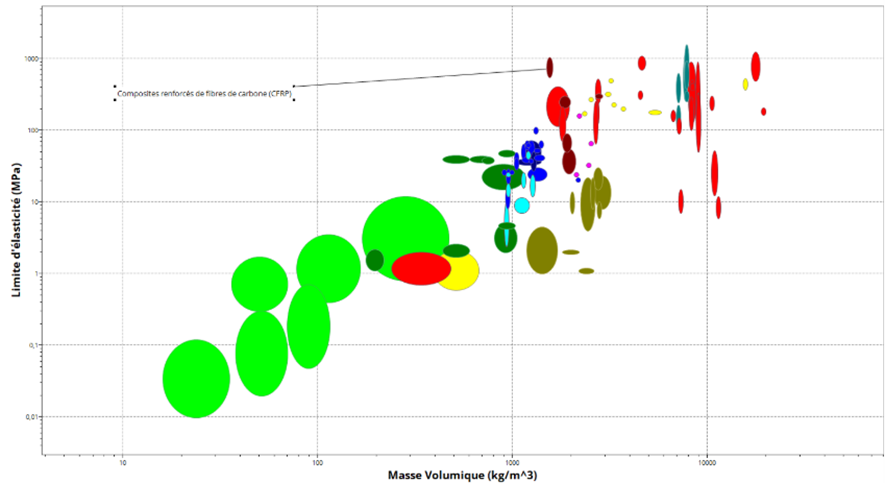
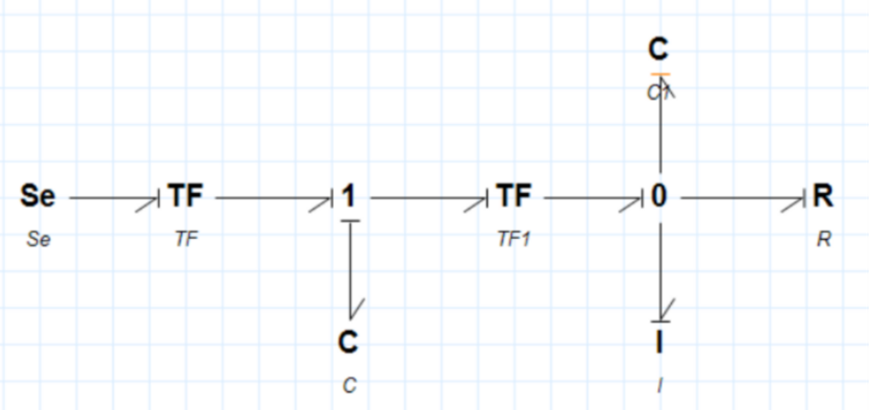
The source report combines product context, material selection, bond-graph modeling, CAD, mold design, composite fabrication, simulation, acoustic testing, and industrialization considerations.
The selected use context was lightweight speaker integration for transportation applications.
Challenge
The design had to remain compact, lightweight, and compatible with piezoelectric actuation and composite fabrication constraints.
The project also considered a target maximum envelope and composite-to-PLA mass ratio from the report requirements.
Process
The team compared applications, selected materials, modeled dynamic behavior with bond graphs, designed a mold, and fabricated a composite vibrating structure.
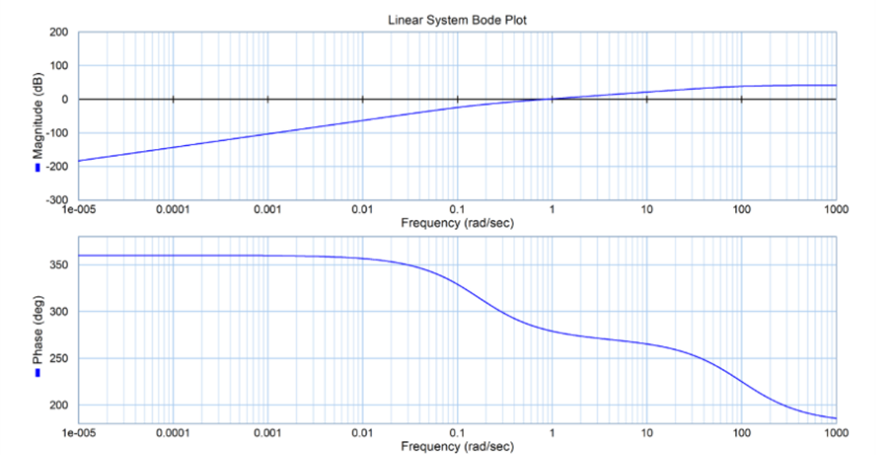
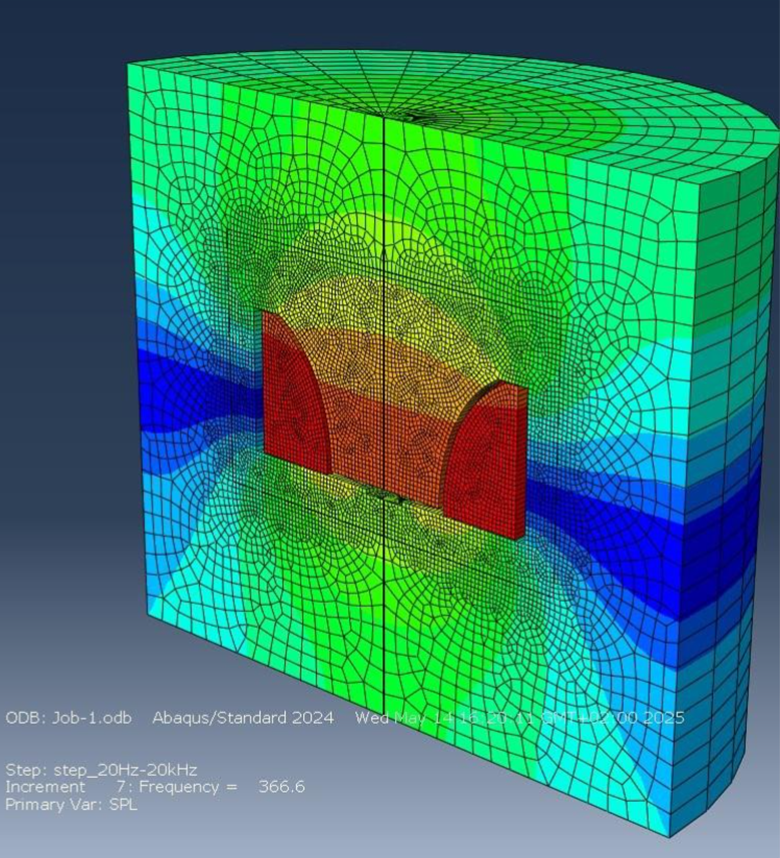
Acoustic behavior was explored through test configurations, frequency response, correction filtering, and distortion observations.
Engineering Details
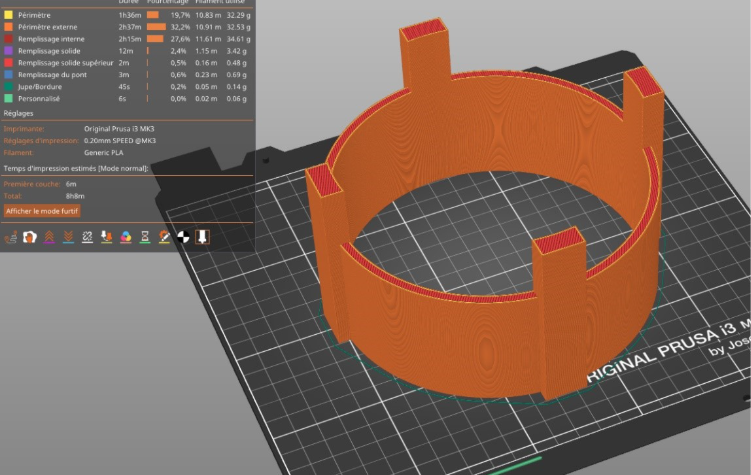
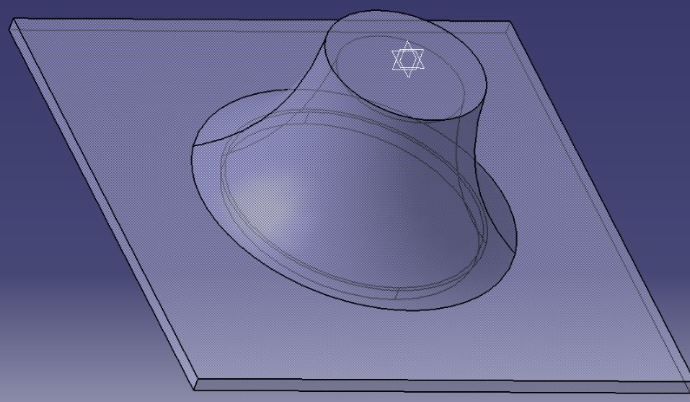
CAD, PrusaSlicer, PLA 3D printing, carbon fiber, infusion/manual layup steps, Abaqus acoustic simulation, bond-graph modeling, Bode diagrams, and acoustic measurement tools.
Implementation
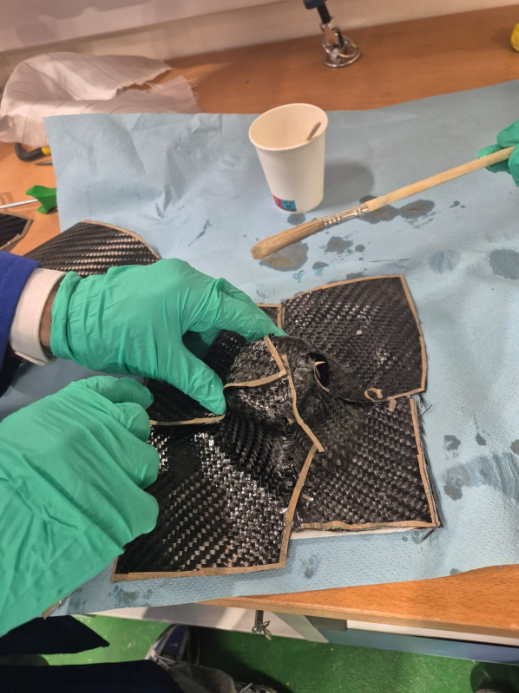
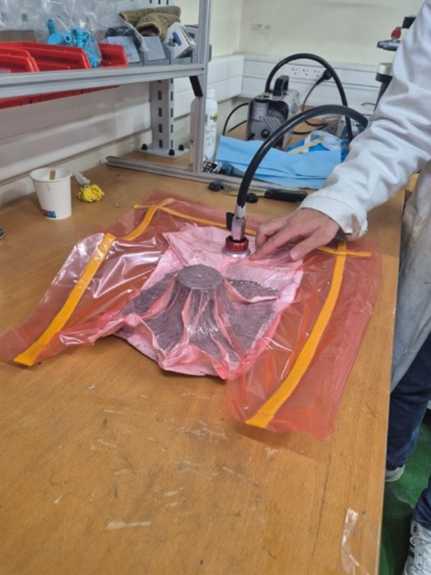
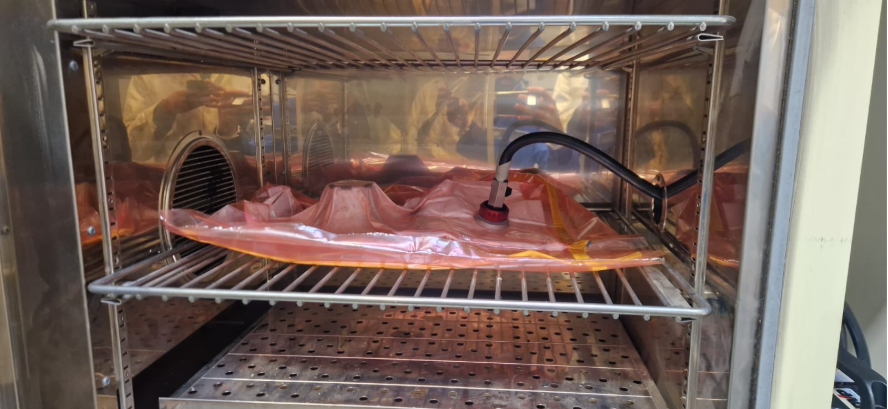
The speaker used a 3D-printed mold and housing, carbon-fiber plies, manual impregnation, vacuum setup, curing, and demolding.
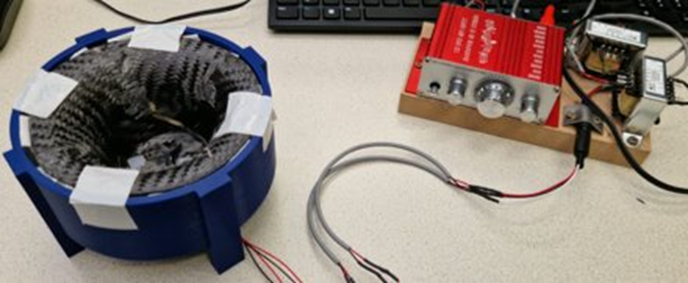
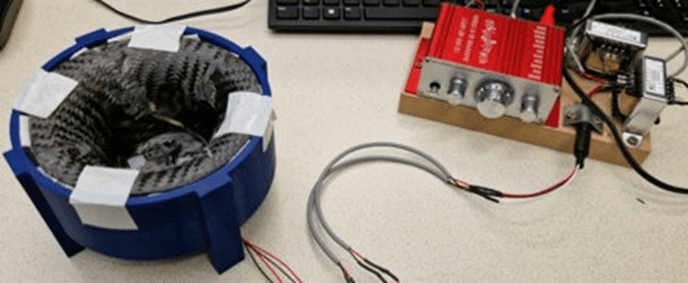
Piezoelectric elements were configured on the composite structure for acoustic output testing.
Testing
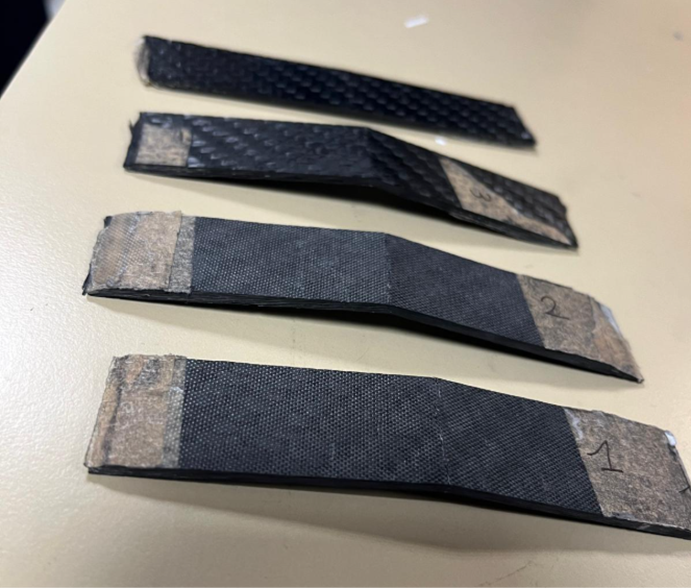
The report includes three-point bending, DMA, thermogravimetric analysis, rheology, acoustic power testing, frequency response, and distortion/directivity discussion.
Some figures in the source report are placeholders, so only supported images and concise public claims are used.
Outcomes
The project connects mechanical design, materials processing, and electromechanical acoustics in one workflow.
Manufacturing quality, surface finish, and piezo placement matter as much as the analytical model.
Refine acoustic response, improve manufacturing repeatability, validate directivity, and replace any report-placeholder analysis before making stronger product claims.
Gallery